EAST BAY CHAPTER ALA CONNECTION October 

PRESIDENT'S MESSAGE
Dear EBALA Members and Business Partners,
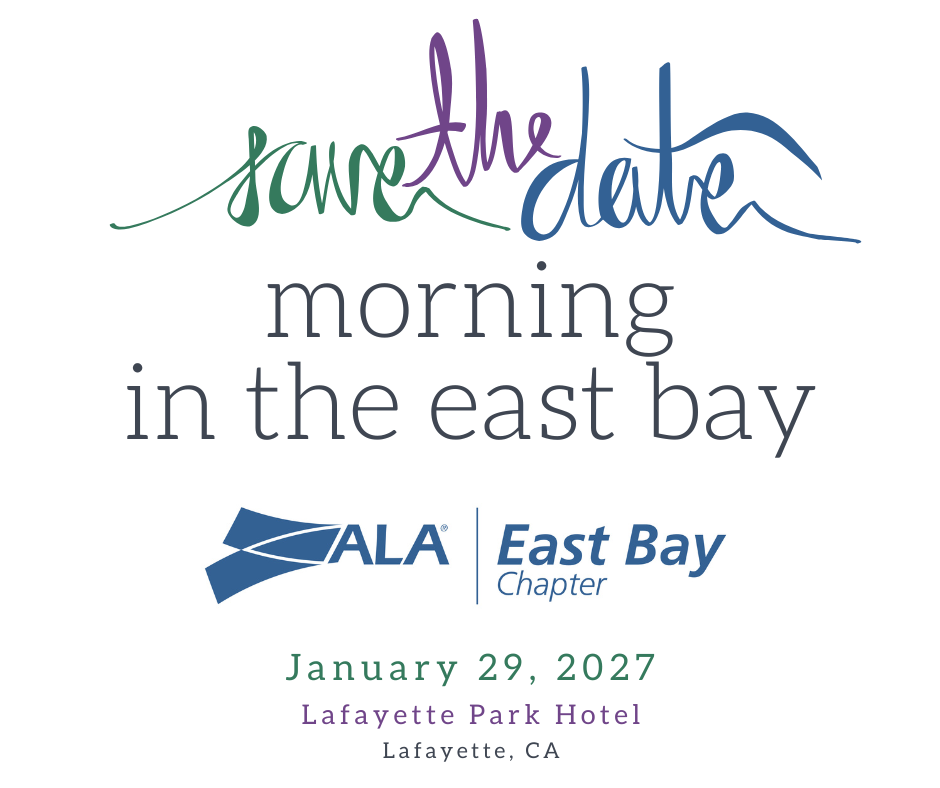
Fall is finally here and as we head into the busy holiday season, please take a moment to reserve some time in your schedule for EBALA. Our calendar is full of educational programs and social events and we would love to see you. Our annual member and business partner favorite Bunco and Halloween Costume Contest is on October 27 and promises, as always, to be a super fun time. We also hope you will save the date for Morning in the East Bay, our annual member meeting, educational conference, and business partner expo, which will be held on January 27, 2027.
As we look ahead to 2027, please be on the lookout for our annual member survey. We truly value the feedback we receive and appreciate you taking the time to share your thoughts and ideas. (And to show you how much we appreciate your responses, we’ll enter all respondents into a gift card raffle!)
And to our wonderful and supportive business partners, please be sure to complete our Business Partner survey by October 15th. Your responses help us ensure you are getting the most out of your partnership with EBALA. Katrina and the Business Partner Committee will consider all responses as they begin their work in putting together our 2027 sponsorship packet.
Finally, if you’ve ever considered volunteering for an ALA or Foundation of ALA position, I would love to nominate you for you’re the role you are interested in. If you’re not sure where you would like to volunteer, but you know you are interested, let’s chat and find the right place for you.
Don’t forget to change your clocks when we fall back an hour on November 1! As always, please feel free to reach out to me any time at [email protected].
Truly yours,
Crystal Ludlow
East Bay Chapter President


EBALA Business Partner Survey
Hello EBALA Business Partners,
EBALA would love to hear from all of our Business Partners!
We have created a short survey to help us better understand what you are looking for as a Business Partner and how we can ensure you are getting the most out of your partnership with EBALA.
The survey includes questions about marketing and outreach, events, educational opportunities, and other ways we can strengthen and improve our Business Partner program.
Survey Link: EBALA Business Partner Survey – Fill out form
October 15th is the last day for all Business Partner surveys
Thank you for taking the time to share your feedback with us. We truly value your partnership and look forward to hearing from each of you!
EBALA Social Hours
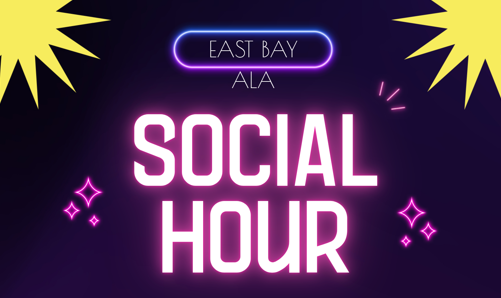
EBALA is pleased to announce our Almost Quarterly Social Hours! These no-host events are meant to bring EBALA Members and Business Partners together to connect and catch-up. We hope to see you at a Social Hour event soon!
Thursday, November 12, 2026, at 5 pm at Western Flyer Brewing – Lafayette https://wfbrewing.com/
Thursday, February 11, 2026, at 5pm at Calicraft Upstairs – Walnut Creek https://www.calicraft.com/pages/calicraft-upstairs
ALA CONTINUING EDUCATION and CALENDAR
|
Save the date for these in-person ALA events! |
THE DEIA LENS
Each month, EBALA turns the lens toward something worth noticing.
When Grief Comes to Work

October carries a remarkable number of observances connected in one way or another to loss, illness, trauma, and profound life change. Observances such as Pregnancy and Infant Loss Awareness Month, SIDS Awareness Month, Breast Cancer Awareness Month, Domestic Violence Awareness Month, and National Disability Employment Awareness Month invite us to recognize experiences that may profoundly reshape a person’s life.
But grief, of course, does not observe an awareness calendar.
It arrives on an ordinary Tuesday. It follows someone into a meeting. It sits quietly beside a colleague answering email. It may accompany illness long before a death occurs or remain present years after others assume a loss has receded into the past.
Eventually, grief comes to work.
When Grief Came to Work With Me
In August 1997, my daughter Lauren died suddenly of SIDS just shy of four months old. I was Director of Human Resources at Miller Starr Regalia and had only recently returned from maternity leave.
After Lauren died, I returned to work sooner rather than later—not because I was particularly resilient, but because I didn't know what else to do. Work offered people, structure, familiar routines, and moments when my mind had somewhere else to go.
Looking back, I understand that I could return partly because I was returning to a community where I felt safe and cared for.
Miller Starr Regalia brought grief counselors into the firm, recognizing that Lauren’s death had deeply affected my coworkers and friends. Colleagues organized meals delivered to our home for weeks. And when I returned, no one treated my presence as proof that I was “doing better.”
Showing up is not the same thing as being okay.
I also discovered that grief has an unexpectedly public dimension.
A vendor who knew I had recently returned from maternity leave might innocently ask, “How’s that new baby girl doing?”
In the middle of an ordinary business conversation, I suddenly had to explain that Lauren had died—and sometimes found myself reassuring the person who was struggling to absorb the news.
Even ordinary questions could become complicated. “How many children do you have?” required an instant decision about how much of my story I wanted to share.
That choice matters.
Some grieving employees want their coworkers to know what has happened. Others prefer privacy. Some want to talk. Some want work to be the one place where they do not have to.
Supporting someone through grief includes respecting their agency over their own story.
Grief Is Not One Experience
Grief extends far beyond the categories most bereavement policies can accommodate.
It may follow the death of a family member, friend or colleague. It may accompany pregnancy loss, serious illness, divorce, estrangement, infertility, or the loss of a home or community. It may arise from a relationship that does not fit neatly on a policy chart.
Sometimes grief is collective. Many of us remember how it entered our workplaces after September 11, 2001, and again during the COVID-19 pandemic.
Shared experiences do not produce identical responses.
That is one reason grief belongs in a DEIA conversation.
Culture, religion, and family traditions shape how we mourn. Family structures differ. Relationships that are deeply meaningful to one person may not be recognized by another—or anticipated by an employer’s policies.
Policies Create Consistency. Compassion Makes Room for Circumstance.
Organizations need policies. Bereavement leave, medical leave, disability accommodations, and employee benefits provide essential structure. But policies cannot anticipate every human circumstance.
We need not rank whose grief is more deserving, and organizations cannot provide unlimited resources. But we can approach each circumstance with curiosity and care.
Instead, we can ask:
• What does this person need?
• What resources are available?
• What flexibility can we reasonably provide?
And perhaps most importantly, have we created enough trust that the person feels able to tell us?
Sometimes compassion means giving someone permission and space to step away from work.
Sometimes it means making it possible for someone to continue working.
I've also known a beloved colleague who continued working for years while living with a serious illness. Flexibility and support helped her remain connected to work that brought her purpose, relationships, and, yes, even joy.
Her experience reinforced something I had learned through my own grief: we should be careful not to decide for another person what compassion is supposed to look like.
The goal is not to know in advance what someone needs. It is to create enough trust that they can tell us—and enough flexibility to respond when we reasonably can.
Belonging, Even When Life Has Changed
Grief changes over time. It may become less consuming or become integrated into a life that grows around it. But moving forward is not the same thing as leaving something behind.
Someone returning to work after loss, illness or another profound life change may return to the same desk, the same clients and the same responsibilities.
They may not be precisely the same person who left.
And perhaps they should not have to be.
Nearly three decades after Lauren's death, my involvement in the SIDS community remains an important part of my life, and I'm grateful that my workplaces have made room for that commitment—not simply for my grief, but for something meaningful that grew alongside it.
An inclusive workplace isn't only one where people feel they belong when they're at their best. It is one where they can still feel they belong when life has made being at their best impossible.
A workplace cannot fix grief. But it can offer community, make room for change, and help ensure that someone whose life has been profoundly altered does not also have to wonder whether they still belong.
To find more information on how to talk to someone grieving in the workplace, use this link: 10 Best & Worst Things to Say to Someone in Grief
________________________________________
For additional October observances and resources, see this month’s DEIA Calendar in Connections.
Lorie Gehrke
EBALA DEIA Committee
DIVERSITY EQUITY INCLUSION & ACCESSIBILITY SPOTLIGHT
October - Pregnancy and Infant Loss Awareness Month
October is recognized as Pregnancy and Infant Loss Awareness Month, a time to acknowledge the profound impact of miscarriage, stillbirth, infant loss, and other pregnancy-related losses on individuals and families. This observance helps raise awareness, reduce stigma, and encourage compassionate conversations about grief and healing. By recognizing these experiences, we can foster understanding and support for those whose loss is often invisible to others.
October - SIDS Awareness Month
October is recognized as Sudden Infant Death Syndrome (SIDS) Awareness Month. This observance promotes education about infant health and safe sleep practices while honoring the lives of babies lost to SIDS and supporting their families. SIDS Awareness Month also encourages ongoing research, public education, and compassionate understanding for those affected by this devastating loss.
October - Breast Cancer Awareness Month
October is recognized as Breast Cancer Awareness Month, an annual observance dedicated to increasing awareness of breast cancer, encouraging early detection, and supporting those affected by the disease. The month highlights the importance of regular screenings, education, research, and access to care. It also serves as an opportunity to honor survivors, remember those lost, and support individuals and families navigating a cancer diagnosis.
October - Domestic Violence Awareness Month
October is recognized as Domestic Violence Awareness Month, a time to raise awareness about the impact of domestic violence on individuals, families, and communities. The observance promotes education, prevention, and access to resources for those experiencing abuse, while also recognizing the strength and resilience of survivors. Creating safe, supportive environments and fostering healthy relationships are goals that benefit everyone.
October - National Disability Employment Awareness Month
October is recognized as National Disability Employment Awareness Month (NDEAM), an annual observance that celebrates the contributions of workers with disabilities and promotes inclusive workplaces. NDEAM highlights the value of a diverse workforce and encourages employers to create environments where all individuals can thrive and contribute their talents. The observance serves as a reminder that inclusion, accessibility, and equal opportunity strengthen organizations and communities alike.
October - LGBT+ History Month
LGBTQ+ History Month is in October and each year we mark it with spectacular events celebrating the history and achievements of the LGBTQ+ community. When the observance was started, it mainly served as a call to action for the movement and its prosperity. But over the years, LGBTQ+ History Month has evolved into a national collaborative effort to bring extraordinary figures from the LGBTQ+ community into the spotlight.
October 2–3* - Shemini Atzeret
Shemini Atzeret is a Jewish holiday also known as The Eighth [day] of the Solemn Assembly. From sundown to sundown, it takes place the day after the Sukkot festival, where gratitude is given for the fall harvest.
October 3–4* Simchat Torah
Simchat Torah is a Jewish holiday and marks the end of the weekly readings of the Torah. From sundown to sundown, the holy book is read from chapter one of Genesis to Deuteronomy 34 and then back to chapter one again, in acknowledgment of the words of the Torah being a circle, a never-ending cycle.
October 10 - World Mental Health Day
World Mental Health Day was first celebrated in 1992. This day is meant to increase public awareness about the importance of mental health, mental health services and mental health workers worldwide.
October 11 - National Coming Out Day
National Coming Out Day in the United States recognizes those who identify as LGBTQ. This day celebrates coming out and the recognition of the 1987 march on Washington for gay and lesbian equality.
October 12* - Indigenous Peoples Day
Indigenous Peoples Day is an alternative to celebrating Columbus Day. It gives recognition to the indigenous populations affected by colonization.
October 12* - Native Americans’ Day
Native Americans’ Day is a federal holiday observed annually on the fourth Friday in September in the state of California and Nevada and on the second Monday in October in South Dakota and Oklahoma.
October 21* - International Pronouns Day
International Pronouns Day seeks to make respecting, sharing and educating about personal pronouns commonplace. Each year it is held on the third Wednesday of October.
October 31–November 2 - Day of the Dead or Día de los Muertos
Day of the Dead, or Día de los Muertos, is a multi-day holiday celebrated in Mexico and by people of Mexican descent, where families welcome back the souls of their deceased relatives at midnight on October 31 for a brief reunion that includes food, drink, and celebration.
CERTIFIED LEGAL MANAGER (CLM)
ALA CLM Exam - Application Deadline
As the legal services industry becomes more diverse and competitive, the need for capable managers has never been greater. That’s why earning the Certified Legal Manager (CLM)® credential — regardless of the stage in your career — shows your commitment to staying on top of the legal management profession.
It’s not an easy credential to earn — but that’s the point. The CLM credential demonstrates to your firm that you’ve mastered the knowledge, skills and abilities to operate at a high level of expertise in the field of legal management. In fact, those who pass the CLM exam have the depth and breadth of knowledge and management skills that enables them to visit any 30- to 50-attorney law office, review practices and procedures, and be conversant about — and offer advice in — each of the areas listed in the Body of Knowledge.
ALA is the exclusive credentialing body of the CLM program, and CLM Certification is offered twice a year — in the Spring and the Fall. (See below for important 2026 dates.)
Fall 2026
Test dates: November 2-25
ALA’s Certified Legal Manager (CLM)® credential demonstrates to your firm that you’ve mastered the knowledge, skills, and abilities to operate at a high level of expertise in the field of legal management. ALA is the exclusive credentialing body of the CLM program, and CLM Certification is offered twice a year — in the Spring and the Fall.
For more information on ALA's Certified Legal Manager exam, please visit https://www.alanet.org/certification or contact [email protected].
ALA Member Benefits
ALA Member Benefits
Get Connected to the Legal Management Industry
It almost sounds like a cliché now: Change is happening rapidly in the industry. But it’s true — from talent wars to generative AI — it’s all having an impact on the way legal managers do business. ALA membership allows you to connect with experts, build leadership skills and gain knowledge to embrace these transitional opportunities for growth.
Members have exclusive access to extensive professional development opportunities, collaborative peer communities, strategic operational solutions and business partner connections. We provide solutions to the most critical strategic and operational challenges you face in your legal management profession today, while preparing you for the opportunities of tomorrow.
- Engaging Education Experiences: Successful law firms innovate, and our content-rich education experiences give you the ideas to bring back to your firms. Through in-person events, webinars and our online learning system, we give members what they need to know to keep their firm ahead of the curve. Members receive discounted rates on all of these educational experiences.
- A Community Ready to Help: There is a lot of noise on the internet. Cut through the online clutter and come to a place where you’ll find a supportive community to help you wade through any challenges. Choose from topic-driven, member-only Online Communities that connect you with peers who are in your professional interest area or work at your management level. Participate in virtual roundtables, chats and meetups. Join an ALA chapter to connect with colleagues locally. No matter your networking need, we’ve got a way to keep you connected.
- Content and Resources at the Ready: ALA’s flagship publication, Legal Management, is delivered digitally 10 times a year to your inbox. You’ll also receive our weekly e-newsletter, BOLD Bites, to stay in the loop of upcoming events. On-the-go? Listen to our podcast, Legal Management Talk. As firms face hiring challenges, you’ll want the data that’s in the annual ALA Compensation & Benefits Survey. Members can participate in the research component and receive discounted pricing. Plus, we’ve created a DEIA Resource Hub and Mental Health Resource Hub so you’ll find our latest content on these vital topics.
- Find Your Next Job in Our Job Bank: Or, if your firm is looking to hire for a position, post it. Members get a discount here, too. Visit our Career Center to learn more.
- Valuable Benefits from Our Business Partners (vendors). Our Value in Partnership (VIP)SM is a select group of business partners that ALA vets on your behalf. As the official member benefits resource, our VIP Program brings savings and solutions exclusively for ALA members. Members also have access to discounts from other business partners. Or, browse our Legal Marketplace to find the solution or service provider for a specific need.
Riddle of the Month
A gourd so robust, round, and orange, with a face that glows in the porch fringe. What am I? Find the answer on the EBALA LinkedIn (East Bay Chapter, Association of Legal Administrators: Overview | LinkedIn)